Skip to content
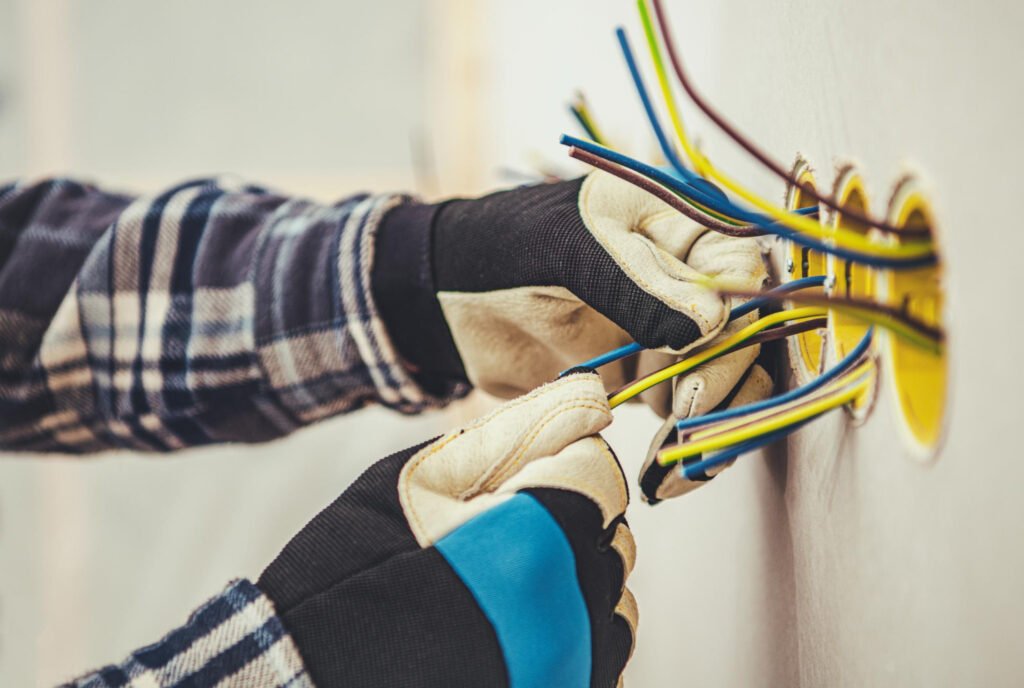
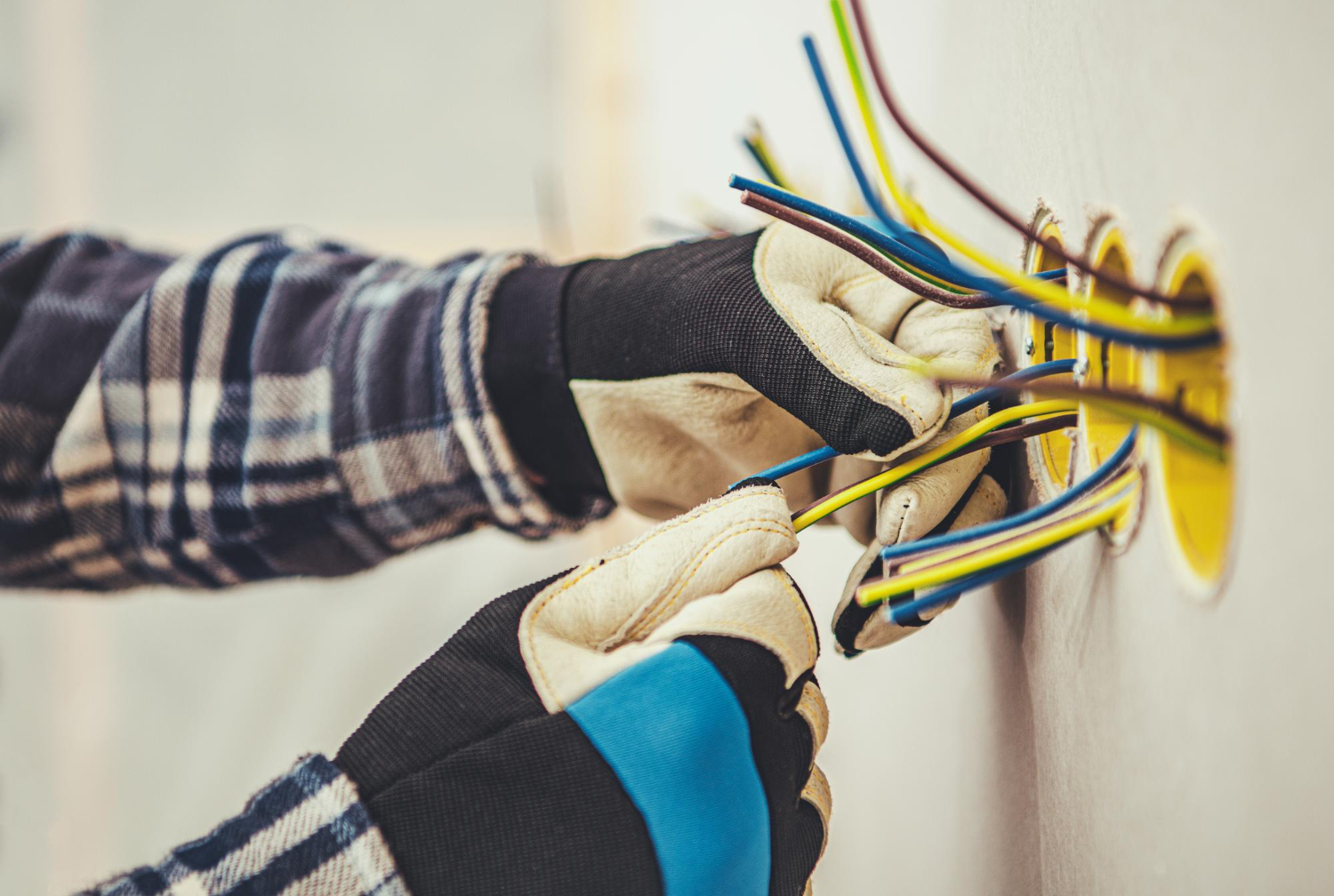
Mobile homes across Las Vegas continue to grow in popularity thanks to their flexibility and affordability. But for residents, maintaining comfort and safety goes far beyond cosmetics or location. One of the most critical components of a safe and functional mobile home is its electrical wiring. Whether you’re renovating an older home or installing electrical systems in a new unit, the wiring type you choose plays a major role in overall safety and performance.
The two most commonly discussed materials in mobile home electric installation in Las Vegas are aluminum and copper wiring. While both have been used in the past, they carry different levels of risk and longevity. Understanding the distinctions is more than just a technical matter—it directly affects how safe your home is and how often problems are likely to occur. Making the right choice now can prevent electrical issues down the line.
Understanding Aluminum and Copper Wiring
Aluminum wiring and copper wiring serve the same basic function: carrying electricity through your home. But they do it in slightly different ways due to the properties of each metal. Copper has long been the standard. It is known for its strength, conductivity, and durability. On the other hand, aluminum wiring became popular in the mid-20th century due to cost savings and availability, especially during periods when copper prices were high.
Each material has its pros and cons, especially when used in mobile homes in Las Vegas. Here’s a quick comparison of the two:
– Copper wiring offers greater conductivity, which means it transports electricity more efficiently. It also resists expansion and contraction better, lowering the chances of loose connections over time.
– Aluminum wiring is more lightweight and typically less expensive. However, it is also softer than copper, which can lead to wear and tear more quickly, particularly at connection points.
For example, homeowners who install high-demand appliances like HVAC systems often notice better performance and fewer issues with copper wiring. In contrast, homes outfitted with aluminum wiring may experience flickering lights or warm outlets, especially if the connections weren’t properly installed or inspected regularly.
While aluminum wiring isn’t always a safety hazard when properly maintained, its tendency to oxidize and degrade faster makes it less suited for long-term reliability. That is why understanding these differences is essential, especially when dealing with older mobile homes that may have aluminum installed by default.
Safety Considerations With Aluminum Wiring
Aluminum wiring has long raised safety concerns among homeowners, particularly in mobile homes where structure and space limits may increase the chance of electrical strain. One major issue with aluminum is that it expands and contracts more than copper as it heats and cools. Over time, this cycling can loosen connections at outlets, switches, and circuit breakers.
When wiring connections become loose, they generate heat. In a compact living space like a mobile home, accumulated heat in electrical fixtures can quickly become a major fire hazard. To make matters worse, aluminum oxidizes faster than copper. The resulting corrosion increases resistance in the wiring, which can worsen the overheating.
Watch out for these red flags common to aluminum wiring problems:
– Lights dimming unexpectedly or flickering during use
– Wall outlets or light switches that feel unusually warm
– A faint burning smell near electrical outlets
– Sparking during appliance usage or unplugging devices
– Breakers tripping frequently without known cause
These symptoms don’t always occur together, but even one could mean the connections are degraded. That is why periodic inspections and upgrades by our technicians are key. They can tighten, retrofit, or rewire areas as needed to keep things functioning safely.
Even if your home is already outfitted with aluminum, all hope isn’t lost. There are approved connectors and techniques like pigtailing, which involve joining copper lead wires to aluminum ends. These solutions can extend the usability of aluminum wiring while lowering hazard risks when performed by our licensed professionals with the right materials and tools.
Safety Considerations With Copper Wiring
Copper wiring remains the preferred option for many mobile home electric installations in Las Vegas because of its stability and longevity. Unlike aluminum, copper handles heat much better. It doesn’t expand and contract as frequently, which helps keep connections tight and secure over time. As a result, fire risks related to loose or degraded connections are reduced when copper is used and correctly installed.
While copper wiring generally holds up better, improper installation can still result in safety problems. If connections aren’t tight or protective coatings are damaged, even copper lines can overheat. That is why installation and inspection performed by our professionals is critical, even with superior materials. Copper wiring that’s too thin for large loads or cut corners during the install can lead to tripped breakers and device failures. It is strong, but it is still not immune.
Las Vegas mobile homes are often equipped with multiple high-demand appliances like HVAC units, dryers, and large kitchen equipment. Copper wiring better supports those loads thanks to its higher conductivity. That makes it a better match for newer homes or for those planning to upgrade major installations.
Another benefit that appeals to many homeowners is that copper wiring requires fewer maintenance points over time. When outlets or fixtures are replaced, copper typically doesn’t need special connectors or procedures to meet code. That simplicity brings down long-term maintenance costs and headaches, particularly in tighter mobile home spaces where access is limited.
How To Decide Between Copper And Aluminum Wiring
The right wiring choice for your mobile home depends on a few key factors. Conditions in Las Vegas, your existing electrical system, and your power needs all play a part. Making the best call means looking beyond the cost of materials and thinking about the full picture when it comes to installation, usage, and safety.
Consider the following when weighing your options:
1. Age of the mobile home – Older mobile homes are more likely to have aluminum wiring already installed. In those cases, it may make sense to inspect and upgrade connections rather than rewiring the entire system, depending on its condition.
2. Electrical load requirements – If you’re using energy-heavy appliances or planning on installing an EV charger or similar upgrades, copper’s conductivity makes it more reliable.
3. Future maintenance costs – Copper wiring typically requires less maintenance over time. Repairs and fixture upgrades are simpler and can be handled more efficiently by our technicians.
4. Safety code compliance – Copper makes it easier to meet electrical codes without needing specialized adapters or corrections. This becomes especially important during property sales or insurance inspections.
5. Climate and expansion behavior – Las Vegas heat can impact installation performance. Copper’s durability under thermal changes makes it better suited for extreme temperatures typical in the area.
If you’re unsure, the most important step is having our technicians perform a full assessment. That provides the insight needed to determine if your current wiring is safe or if an upgrade is the smarter move moving forward.
Ampere Electric: Your Partner in Safe Mobile Home Wiring
Installing or upgrading electrical wiring in a mobile home isn’t something to approach casually. A poor connection or wrong material choice doesn’t just result in flickering lights. It increases the risk of overheating, damaged electronics, or even a fire. That is why letting our professionals manage the process is essential.
Unlike permanent homes, mobile homes have compact, often more vulnerable electrical setups with tighter wiring paths and more frequent movement. This added strain means materials must be installed with greater attention to connection strength and long-term durability. Even wiring runs need to be planned intelligently to prevent power loss or imbalance between circuits.
Choosing the right type of wire is just one piece of the puzzle. Our technicians also verify outlet performance, breaker limits, and grounding. Missing out on those checks can create hidden risks that go unnoticed until a major issue surfaces. From emergency shutoffs to outlet upgrades, there is a long list of items that rely on every wire doing its job safely.
Whether you’re working with an existing aluminum system or switching to copper, proper handling during installation is what protects your home in the long run. Skipping that step to save time or money can invite far more serious problems down the line. A safe install today means fewer worries tomorrow as temperatures climb and power usage spikes across Las Vegas.
At Ampere Electric, we understand that safe, efficient wiring is essential for every mobile home in Las Vegas. Our experienced professionals are dedicated to ensuring your electrical system performs reliably and up to code. Learn more about how our mobile home electric installation in Las Vegas can enhance safety and long-term value for your property. For a quick estimate or to book a service visit, please contact us today.